One system
for the entire network
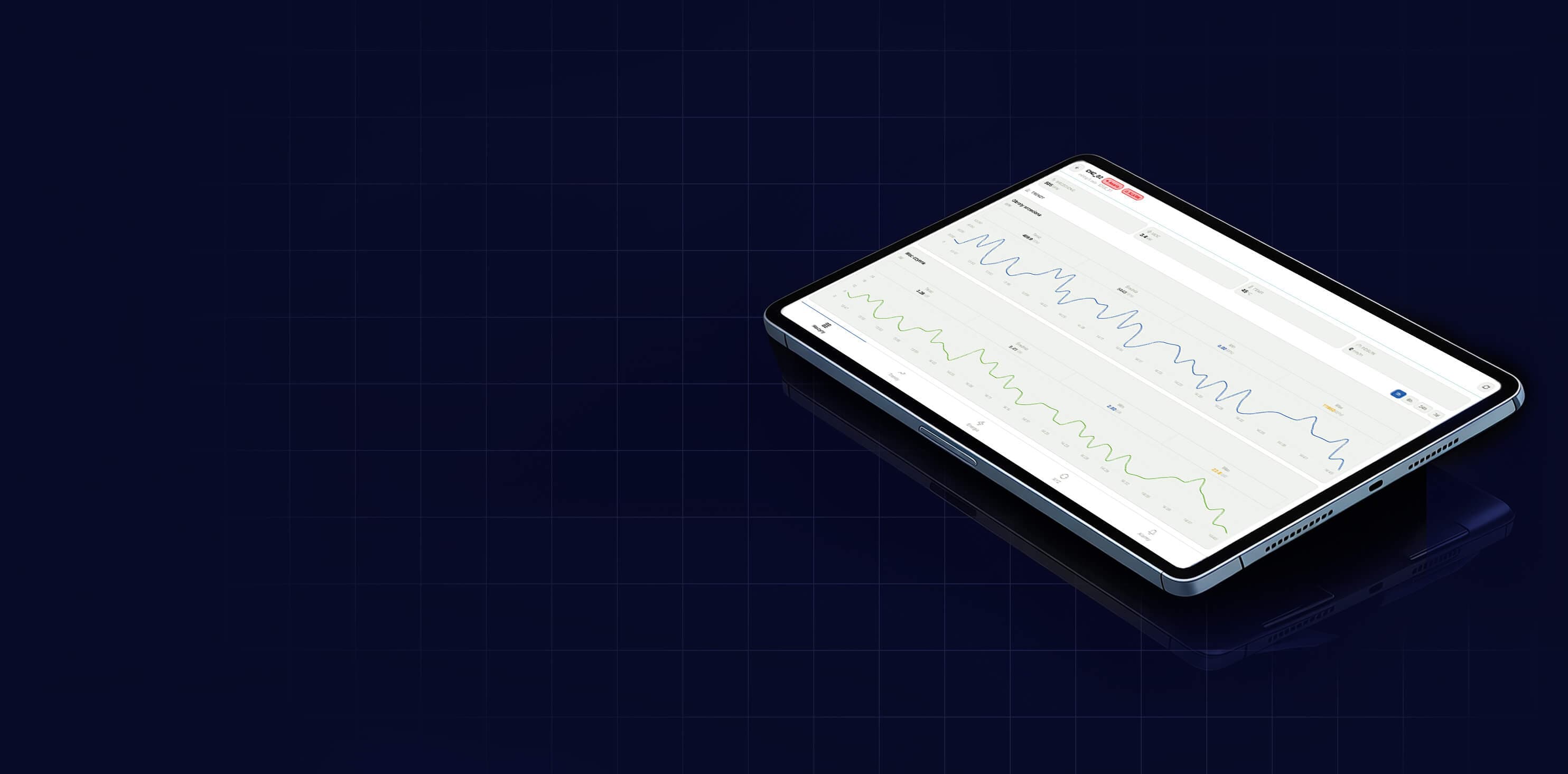
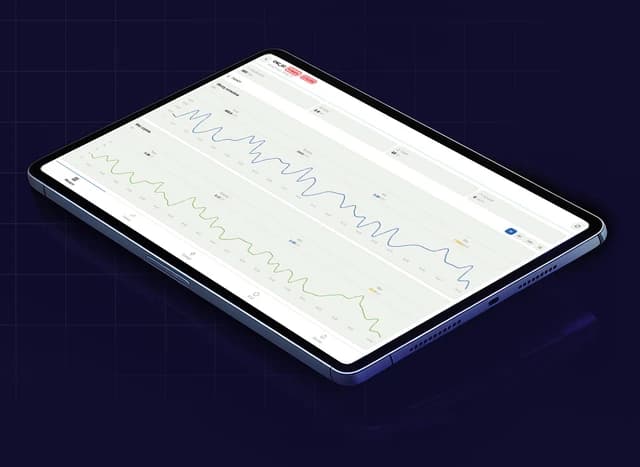
Cloudsty BMS turns scattered infrastructure into a single controllable operating system — in real time, without replacing hardware.
Scale without control creates losses
In retail networks scattered across 50, 100, or 500 locations the problems are always the same. And they always cost just as much.
 Cloudsty BMS · in the field
- 01No visibility into locationsYou don't know what's happening at each site in real time
- 02Decisions made locallyEvery location operates by its own rules instead of centrally
- 03Equipment running when it shouldn'tHVAC and refrigeration systems running outside business hours
- 04Reactive instead of preventive serviceA technician shows up only when something breaks – never before
- 05Energy costs grow faster than revenueNo control over consumption erodes margin across the network
One platform to manage your whole network
Cloudsty BMS integrates with your existing infrastructure without replacing hardware and centralises five operational layers.
From data to decision in one cycle
We collect data from your existing infrastructure, detect deviations and act automatically, without involving your team.
Data collection
Integration with existing HVAC, refrigeration and metering devices. No infrastructure replacement.
Deviation visibility
The system detects anything operating outside norms – 24/7, across every location at once.
Automated decision
Business rules and schedules adapt equipment operation to real demand.
One standard
All locations operate by the same standard. Data becomes comparable.
This isn't technology.
It's a way to run a network.
Three layers of value,
one platform
Each block targets a specific operational cost, and each is measured in numbers, not promises.
Energy
You eliminate inefficient equipment operation and optimise consumption at every location. Schedules adapt to footfall.
Service
The system detects problems and initiates service actions on its own. Technicians arrive with a known fix, not to "check what happened".
Operations
Every location runs the same standard. Data is comparable – from a store in Gdańsk to a warehouse in Rzeszów.
Measurable business impact
You can see numbers like these at your own sites after rollout.
energy cost reduction in the first year
react to issues in minutes, not hours
fewer breakdowns and service callouts
predictable costs across the network
Energy stops being a cost, it becomes a parameter to optimise
Proven
in the field
Three kinds of network, three different starting points, one shared outcome: less energy, less chaos.
lower energy consumption across 120+ sites in the first year of rollout.
savings achieved without buying new hardware – optimisation only.
full service automation and an end to scattered communication between sites.
First results in
a few days
We don't need six months of preparation. Once the first locations are connected you see data and you decide.
Cloudsty BMS rolls out on top of existing infrastructure. No hardware swap, no downtime, no long projects.
No site downtime.
We connect the first locations
Integration with existing controllers and meters. The network starts seeing itself.
Real-time data collection
Consumption patterns, operating schedules and deviations begin appearing on the dashboard.
We identify the losses
Specific equipment and specific hours where the network is losing money.
Optimisation rollout
Automated schedules, rules and alerts go live across the network – on a single standard.
Frequently asked questions
Don't see your question on the list? Ask us — we'll gladly answer.
Talk to the teamSee what's really happening in your network
We'll show you real data from your sites and concrete savings areas, based on a first audit of three locations.